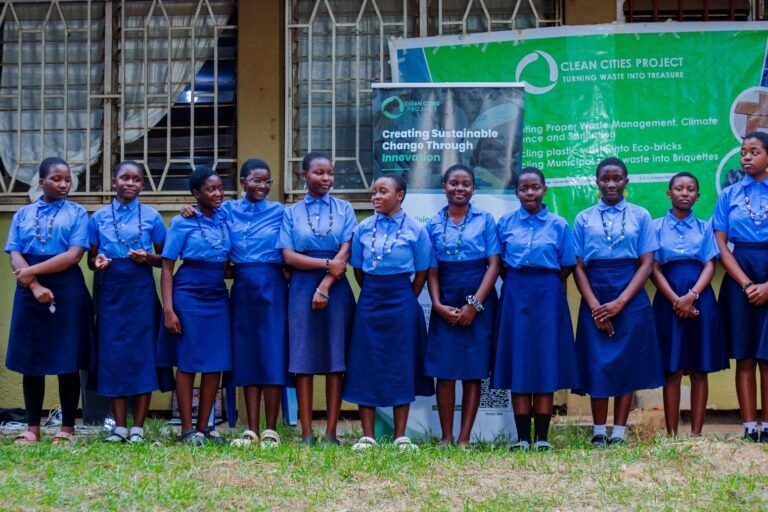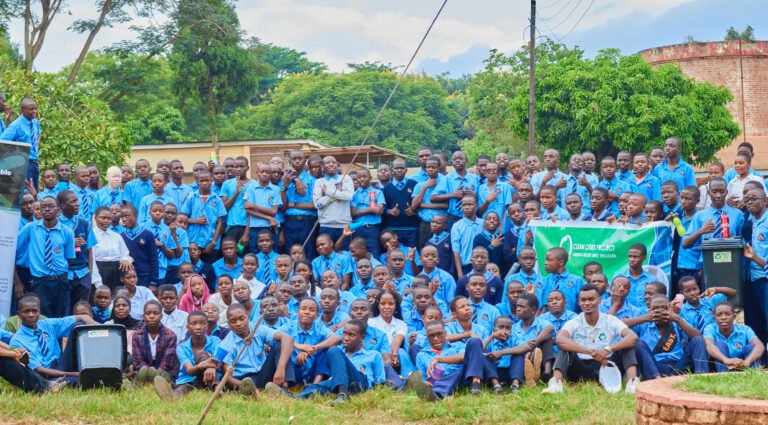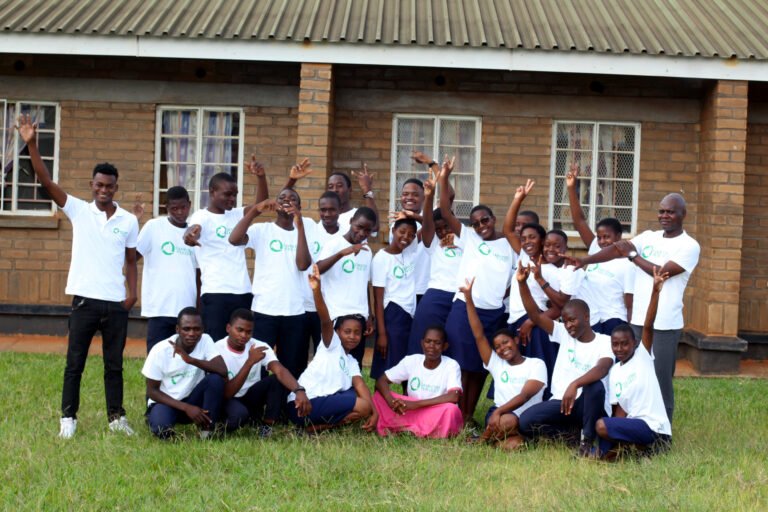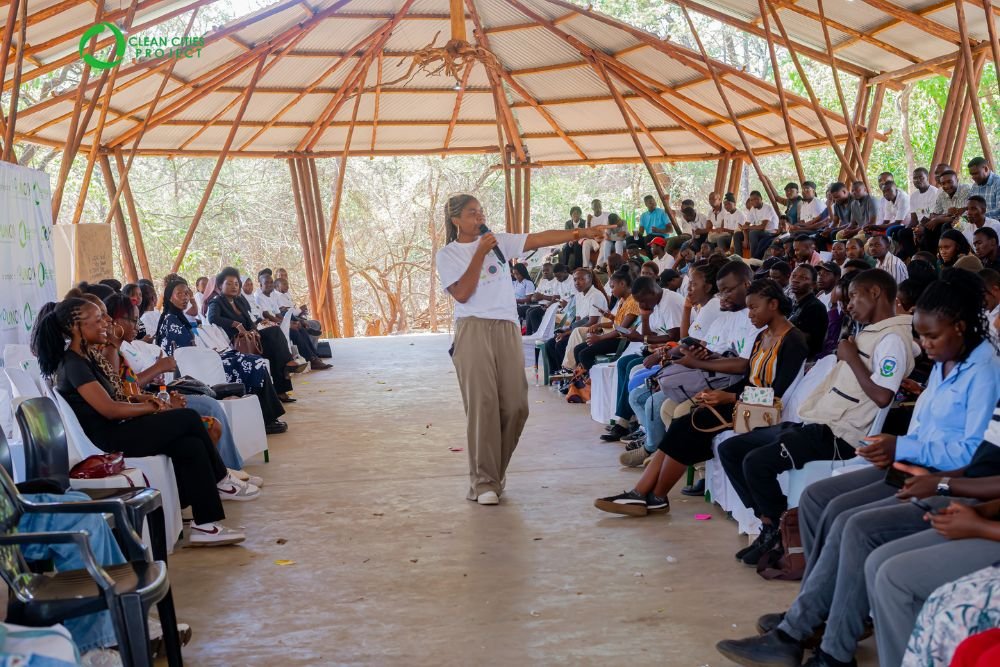
When hundreds of passionate young people gather with a single goal, to shape the future of climate action, something extraordinary happens.
That’s exactly what unfolded in Lilongwe during the Local Conference of Youth (LCOY) Malawi 2025, a youth-led climate conference hosted by Clean Cities Project under the banner of YOUNGO, the official children and youth constituency of the UNFCCC.
What began as an idea became a movement that united over 400 young climate leaders from across Malawi, from Chitipa to Nsanje, from Dzaleka Refugee Camp to universities and community schools, all determined to raise their voices for a greener, more resilient future.
A Platform for Inclusion and Action
LCOY Malawi 2025 was more than just a conference. It was a collaborative youth assembly where ideas, experiences, and aspirations converged to form the foundation of Malawi’s National Youth Climate Position Paper, a document representing the collective voice of young Malawians that will be presented at COY20 and COP30 in Brazil.
The conference amplified youth perspectives across critical themes:
- Climate Finance
- Adaptation and Resilience
- Loss and Damage
- Climate Education and Innovation
Participants didn’t just discuss; they co-created solutions. From clean energy and waste-to-art innovations to AI-powered climate-smart agriculture, the event showcased the power of youth-led innovation in addressing the climate crisis.
Financing the Future: Youth Perspectives on Climate Finance
One of the strongest messages emerging from LCOY Malawi 2025 was clear:
“Don’t just fund projects — fund people.”
Young participants called for direct, fair, and transparent access to climate finance, ensuring that funding reaches the communities and innovators most affected by climate change.
Key proposals included:
- Establishing a National Youth Climate Fund to support grassroots and school-led initiatives.
- Building youth capacity in grant writing and climate entrepreneurship.
- Integrating youth voices into national climate finance frameworks and accountability mechanisms.
Adapting Together: Building Resilience from the Ground Up
In the adaptation sessions, participants emphasised the need for locally led adaptation strategies that empower young people, women, and smallholder farmers.
Their proposals included:
- Integrating climate-smart agriculture into school curricula and youth hubs.
- Promoting water harvesting, flood resilience, and agroforestry at community level.
- Including youth representatives in district-level adaptation planning.
The collective message was one of ownership and resilience:
“We are not victims of climate change — we are architects of adaptation.”
Counting the Cost: Youth Demands on Loss and Damage
Malawi’s youth shared firsthand stories of communities torn apart by floods, droughts, and displacement, experiences that reflect the growing human cost of climate change.
Their demands included:
🔹 Creation of a national loss and damage mechanism to document climate impacts.
🔹 Development of compensation frameworks for displaced and affected households.
🔹 Provision of mental health support and recovery programs for climate-impacted communities.
“We may not have caused this crisis, but we live its consequences every day.”
A Movement Beyond the Conference
LCOY Malawi 2025 was powered by collaboration — with special recognition to the Movement for Environmental Action (MEA), facilitators, volunteers, and youth exhibitors who made it possible.
As the conference concluded, participants pledged to continue working together under the newly launched Young Climate Leaders Malawi Platform, a space for youth collaboration, resource-sharing, and collective advocacy.
Through this platform, Malawian youths will continue to:
- Share opportunities, grants, and funding calls in the climate space.
- Collaborate on climate innovation and entrepreneurship.
- Strengthen representation in regional and global climate dialogues.
The Road to COP30
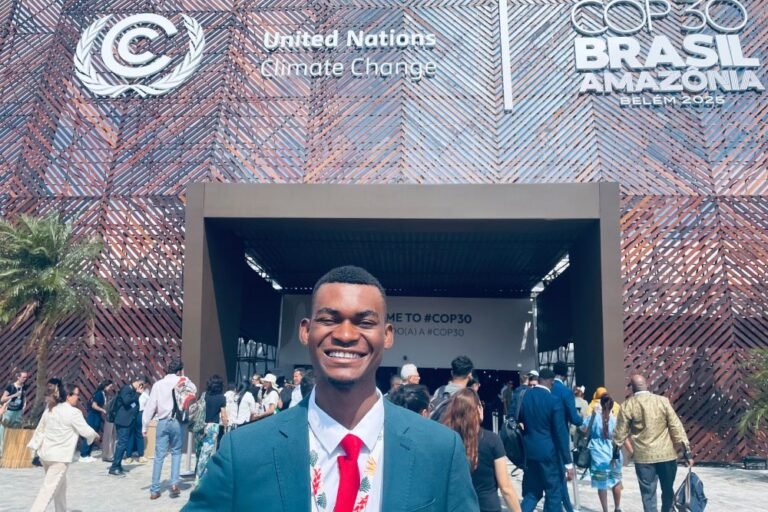
The journey doesn’t end here. The Clean Cities Project and Malawi’s youth delegation will deliver the National Youth Climate Position Paper at COY20 and COP30 in Brazil, ensuring that Malawian youth voices echo on the global stage.
This movement is a testament to what is possible when passion meets purpose, and when youth are empowered to lead.
“The climate movement is not waiting for tomorrow — it is us.”