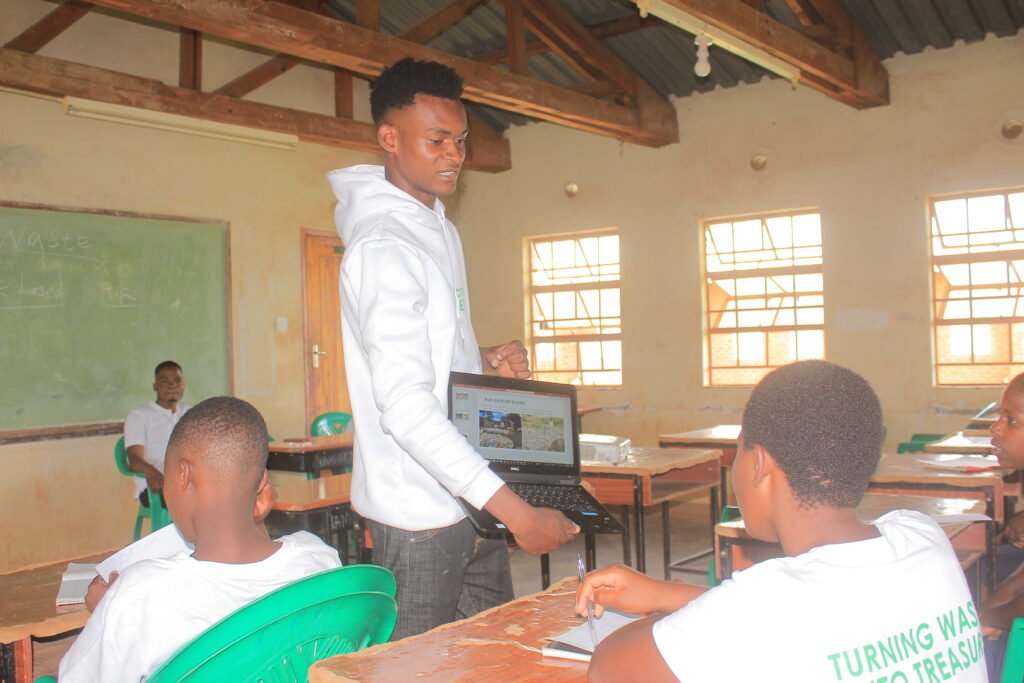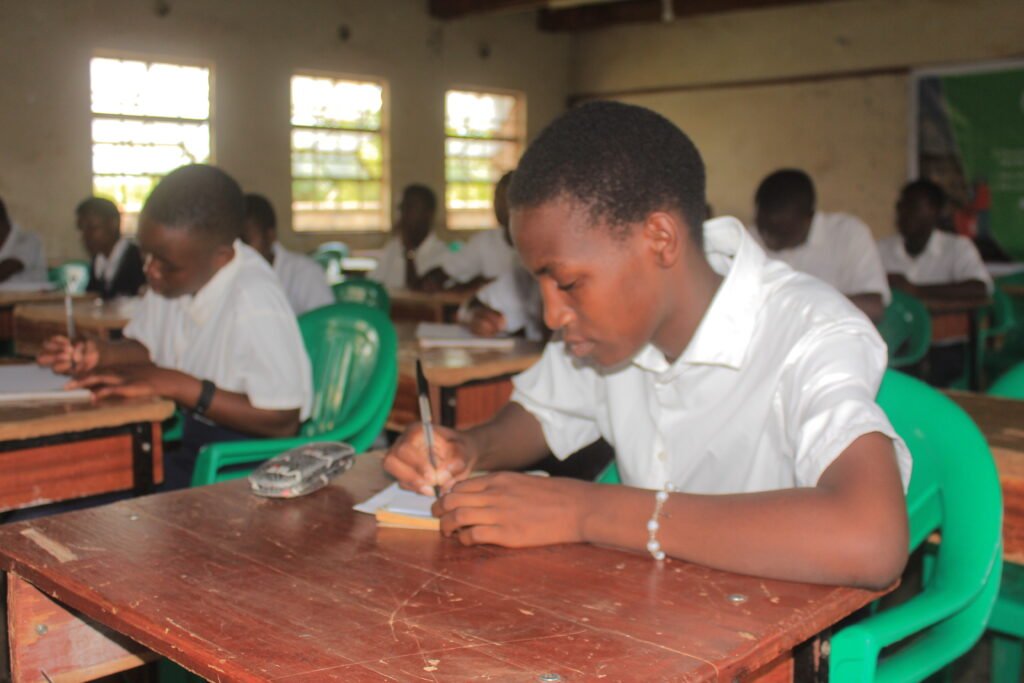
On a warm morning at Nambuma Secondary School, students gathered not knowing that this would be more than an ordinary school day.
By the end of it, they would begin to see their environment differently, not as something beyond their control, but as something they could protect, influence, and lead.
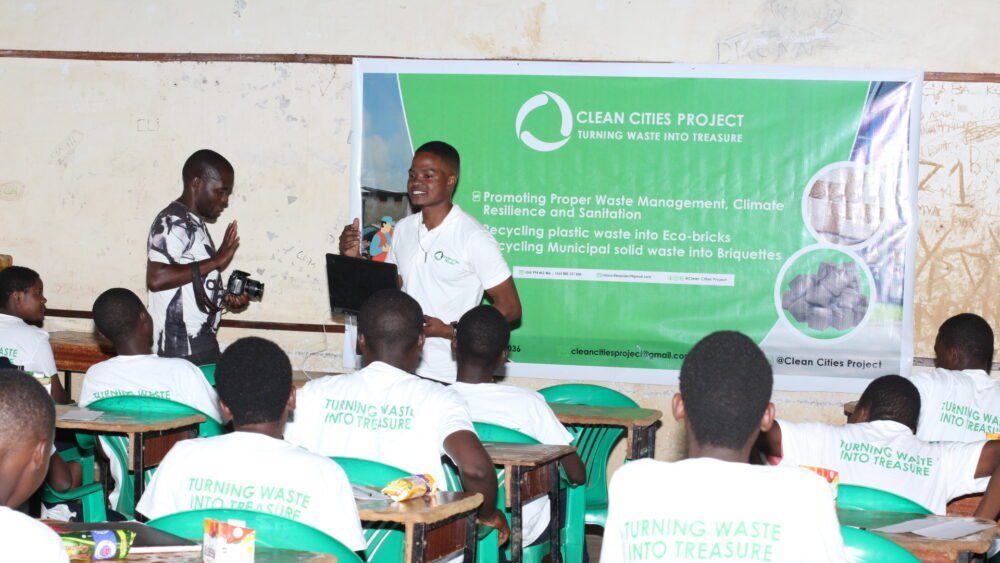
That day, the Clean Cities Project brought together 80 young people, public health experts, and community leaders for a conversation that mattered deeply to their lives: waste management, climate resilience, and cholera prevention.
For many of the students, both girls and boys under the age of 18, this was the first time these issues were discussed in a way that connected directly to their homes, their health, and their future.
Why This Conversation Could Not Wait
Malawi has been facing increasing pressure from poor waste management, climate-related shocks, and recurring cholera outbreaks. In communities where access to environmental education and public health information is limited, the consequences are severe: polluted surroundings, preventable diseases, and growing vulnerability to climate impacts.
Yet one truth remains clear: schools are powerful spaces for change. They shape habits early. They influence values. And they nurture the leaders who carry those lessons into their families and communities.
Recognizing this, the Clean Cities Project made a deliberate choice to meet young people where they are, before harmful practices become lifelong patterns.
Learning That Felt Real
Rather than delivering lectures, the team facilitated conversations.
Students learned how waste mismanagement contributes to environmental pollution and disease. They discussed climate resilience in language they could relate to: floods, heat, sanitation, and daily life. Most critically, they engaged in cholera prevention training led by Environmental Health Experts from the Dowa District Health Office.
These were not abstract lessons. They were practical, urgent, and deeply relevant. Students asked questions. They shared experiences from their homes. They began to connect the dots between waste, health, and responsibility.
And slowly, the message became clear: they were not powerless.
From Awareness to Ownership
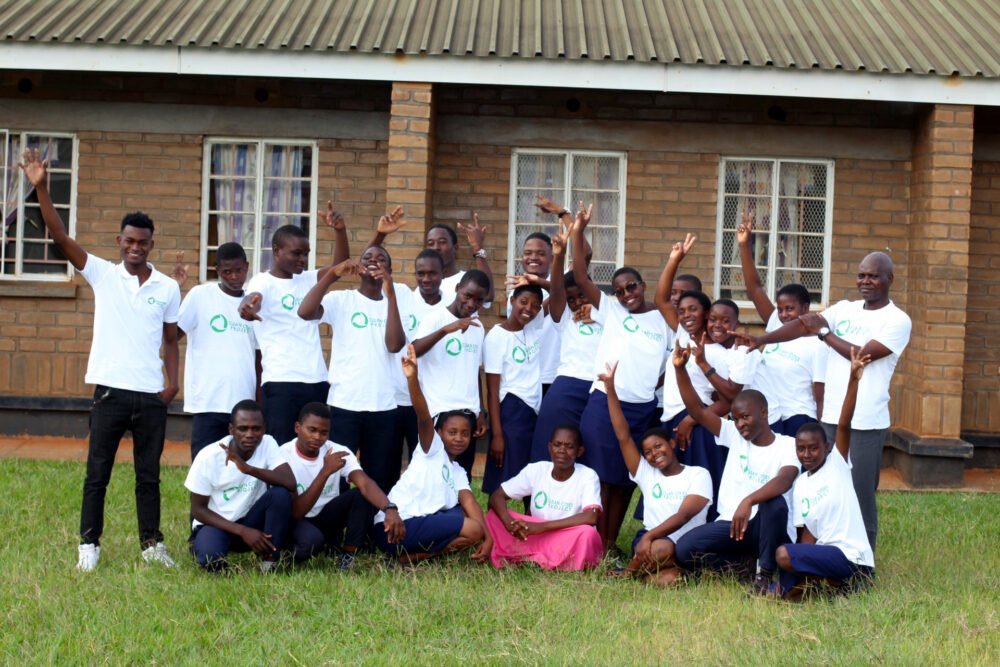
Awareness alone is never enough. To ensure the impact lasted beyond a single day, the Clean Cities Project worked with the students to establish a Clean Cities Project Eco-Green Club at the school.
This club became a home for action.
- Leading peer-to-peer environmental education
- Influencing sanitation practices at home and in their neighbourhoods
- Participating in hands-on solutions such as recycling, eco-bricks, and briquette production
What changed was not just knowledge; it was ownership. Students stopped seeing environmental protection as an adult responsibility or a government issue. It became their role.
Stronger Together
The success of the day was built on collaboration. By working alongside the Dowa District Health Office, the initiative blended civic education with public health expertise, ensuring information was accurate, trusted, and accessible.
Support from partners, including Aspire Leaders Program, World Federation of United Nations Associations (WFUNA), CorpsAfrica, and SpareBank 1 SMN, strengthened both credibility and reach, showing students that their actions were part of something bigger than their school.
Voices That Capture the Moment
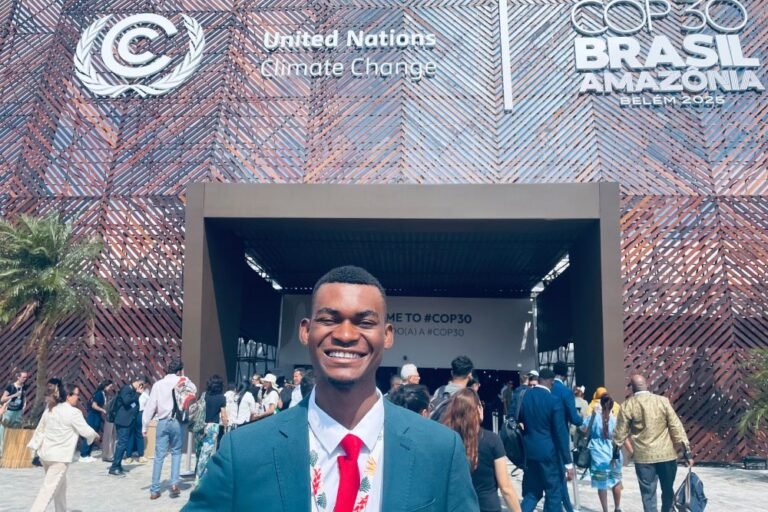
“This year alone, Malawi has recorded over 50,000 cholera cases and more than 1,000 deaths. As young people, we cannot remain idle and expect the government alone to address this crisis. Over 50% of Malawi’s population is youth, and our responsibility is clear. By equipping young people with proper waste management knowledge and environmentally responsible practices, we are addressing the root causes of preventable public health crises. If we transform youth behaviour today, we safeguard the health and resilience of the entire country in the years to come.”
For the students, the impact was immediate. One participant, Tikondane Juma, captured it simply:
“Through the Eco-Green Club, we now understand that protecting the environment starts with us, at school, at home, and in our communities.”
What This Moment Set in Motion
The campaign at Nambuma Secondary School was not an end; it was a beginning.
The Eco-Green Club continues to serve as a platform for student leadership. Plans are underway to introduce more practical projects, deepen mentorship, and scale similar school-based interventions to other districts.
Because real change does not happen in one day. It happens when young people are trusted, equipped, and supported to lead.
Looking Ahead
At Clean Cities Project, we believe that youth are not the leaders of tomorrow; they are the frontline today. By investing in their knowledge, agency, and creativity, we are building communities that are healthier, cleaner, and more resilient to climate and public health challenges.
And sometimes, that future begins in a schoolyard with a conversation that refuses to be ignored.