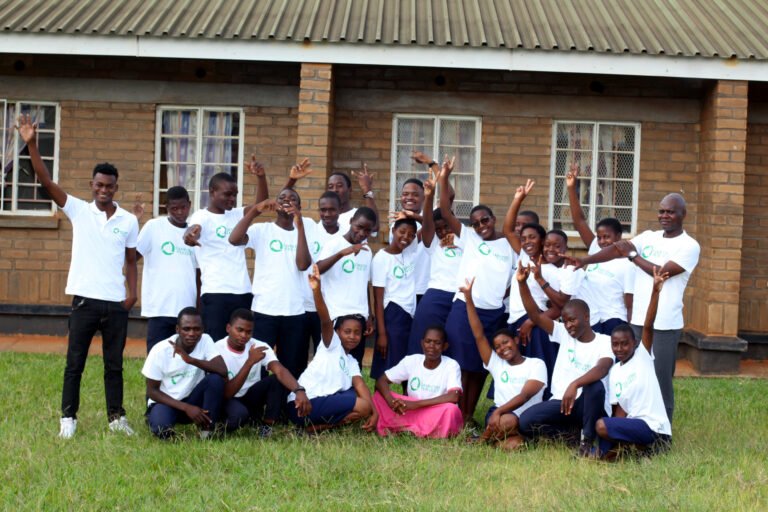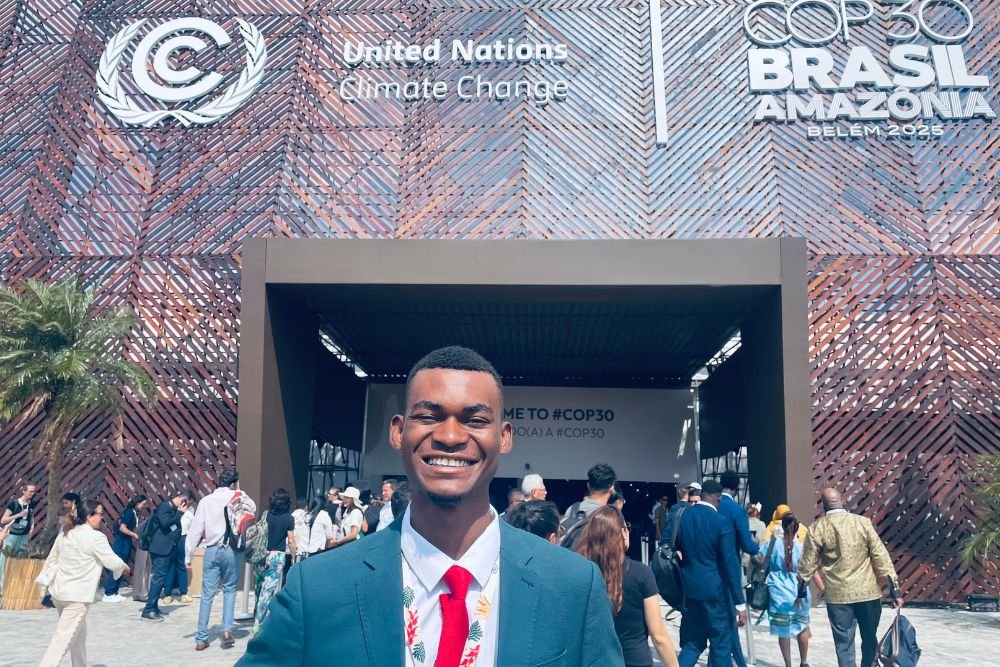
I came to COP30 in Belém, Brazil, carrying the voices of young people from Malawi—our lived realities, our losses, and our resolve. I carried the weight of the Malawi National Youth Statement, which aligned strongly with the Global Youth Statement on climate finance and adaptation. These aren’t just policy documents; they reflect a growing consensus among young people from the Global South facing floods, droughts, heatwaves, and climate-driven displacement.
Since this was my first COP, I chose honesty over performance. Rather than immediately engaging in negotiations, I followed the process closely—plenaries, briefings, and press conferences. Understanding the system is a form of participation too.
Climate Finance: A Paris Agreement Mandate
Malawi is on the frontlines of climate change, yet our contribution to global emissions remains negligible. This imbalance continues to define the climate conversation and emphasizes a core truth we brought to Belém: climate finance is a legal obligation, not goodwill. The Paris Agreement, under Article 9.1, is explicit: developed countries shall provide financial resources to assist developing country Parties with respect to both mitigation and adaptation. This is not optional; it is a legal obligation. Yet the reality remains stark. Financing that is accessible, youth-responsive, and tailored to fragile contexts remains limited. This gap matters deeply. We will live longest with the impacts of climate change, and we already have solutions that work. What we lack is access to resources to scale them. Young people are not short of solutions, we are short of funding.
The Belém Political Package: Progress with Urgent Concerns
COP30 produced the Belém Political Package, featuring several pivotal outcomes: a commitment to triple adaptation finance by 2035, adoption of 59 voluntary Belém Adaptation Indicators under Article 7 of the Paris Agreement, and reinforcement of transparency frameworks under Article 13 for better tracking of finance and adaptation progress. While these are important steps, a timeline stretching to 2035 is too delayed. Malawi and other vulnerable countries need immediate and accessible funding to implement adaptation today. The timeline does not match the urgency on the ground.
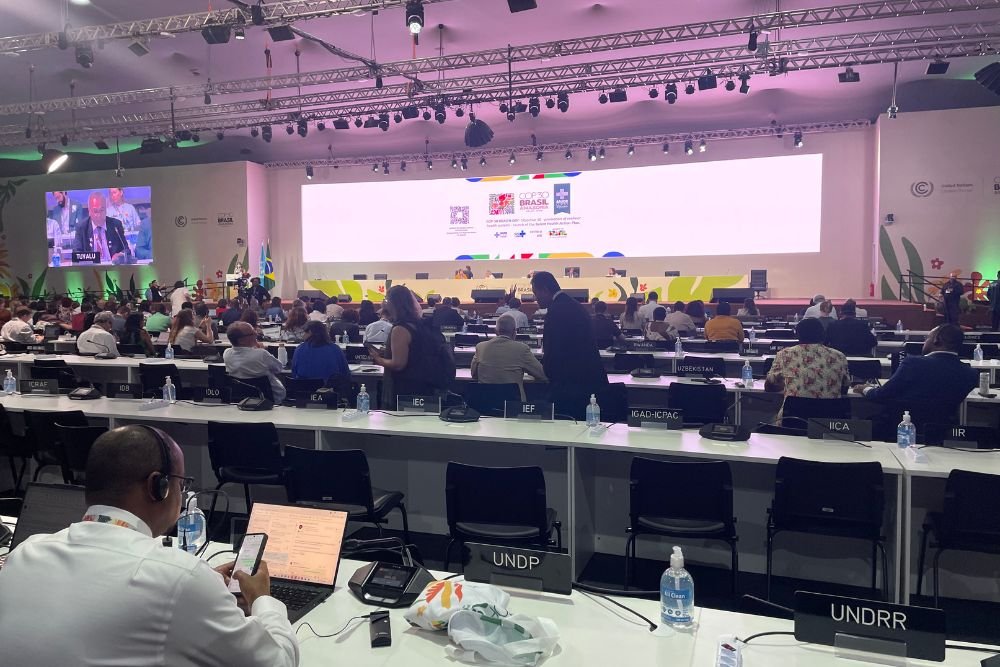
Fossil Fuels: Where the Science is Clear
The Global Stocktake under COP28 underscored the need to accelerate efforts towards
the phase-down of unabated coal power and phasing out inefficient fossil fuel subsidies.
COP30 reaffirmed momentum, with more than 80 countries pushing for a fossil fuel
phase-out roadmap, though it ultimately was not adopted.
The persistent ambiguity regarding a global fossil fuel phase-out stands in stark contrast
to the overwhelming scientific consensus. The IPCC’s Sixth Assessment Report
confirms that fossil fuels are the primary drivers of greenhouse gas emissions and that
existing infrastructure alone is sufficient to breach the 1.5°C threshold. Ignoring the
phase-out of fossil fuels fundamentally betrays the ambitions of Article 2.1(c) of the
Paris Agreement, which calls for making finance flows consistent with low-GHG,
climate-resilient development. This omission carries consequences. And young people
will bear them.
Where Solutions Are Already Emerging
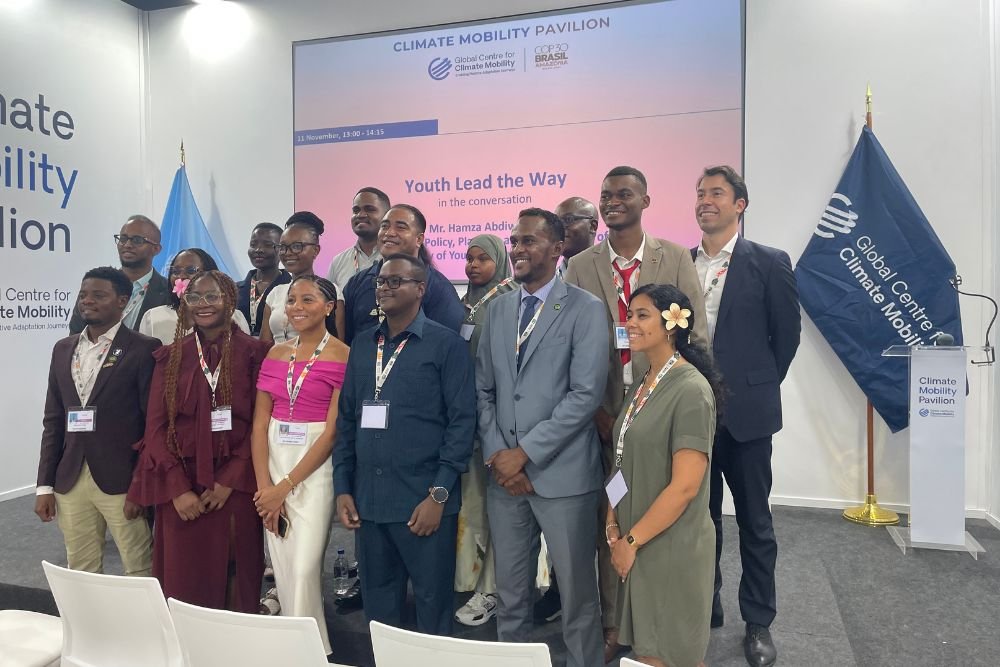
The Global Centre for Climate Mobility organized a series of side events showcasing
youth-driven climate solutions. This reinforced something I deeply believe: young
people are not waiting. I encountered solutions from African fragile states and Small
Island Developing States – drone mapping of flood-prone areas in Zimbabwe, youth-led
interventions in displacement camps, and nature restoration projects from the Pacific.
These are not ideas on paper. They are practices in motion. Discussions with IOM further emphasized the importance of participatory approaches to climate mobility. Solutions are most effective when displaced communities are directly
involved in their design – not consulted after the fact.
Learning from The Gambia: Youth-Government Coordination That Works Just days prior to COP, I attended the Global Conference of Children and Youth on Climate Change (COY20) in Belém. The Gambia stood out – at least to me. They demonstrate what effective youth–government coordination can look like. Through its Youth Parliament, young people are not symbolic participants; they are institutional actors, backed by strong governance and respect. Equally impressive is the Gambia Environmental Alliance (GEA), an umbrella body
uniting over 50 environmental and community-based organizations. Established in 2021, GEA works across regions to protect ecosystems, promote nature-based solutions, and prioritize community interests over profit. They collaborate closely with government departments, donors, academic institutions, media, and the private sector.
This coordination translates into influence and eventually funding. It translates into strong youth representation at COYs and COPs. No wonder Gambia, a small country, is always hugely represented at global conferences. For Malawi, this unity is the model: fragmentation weakens; coordination amplifies. Most of our youth organizations are fragmented with little to no funding. Even for us at Clean Cities Project, it was challenging to organize the LCOY without support from the donor community.
Hard Truths & Urgency
Malawi needs immediate adaptation finance; the COP30 timeline simply is not fast enough. Although the Belém Adaptation Package establishes stronger frameworks, it cannot substitute the funding we need now. The lack of clear fossil fuel phase-out measures is alarming and undermines the legitimacy of COP decisions – betraying younger and future generations.
Our Commitment at Clean Cities Project
At Clean Cities Project, we stand for action—from boardrooms to grassroots, from policy
to people. We believe climate action must move beyond conference rooms, from commitments to communities.
We unapologetically believe that:
- Grassroots initiatives are central, not peripheral
- Youth leadership and coordination must drive coherence and mobilize funds
- Implementation must follow ambition, or COP cycles will continue producing
fewer real-world results
We carry forward the mandate from COP30, Paris Agreement Articles 7, 9, and 13, and
the Belém Political Package – but we refuse to wait. We are acting now, forging
solutions rooted in community and youth power. Because without tangible action, we risk hosting more COPs with fewer outcomes.
And that is a cost young people can no longer afford