Malawians Are Teaching Us About Plastics, Poverty, and the Future
What begins as a plastic bottle on the ground can tell two stories.
In one, it is waste: a sign of pollution, a world producing more than it can responsibly manage. In another, it becomes a bracelet, an earring, a wall hanging, and perhaps the first step toward a young person discovering that their hands can build value from what others have thrown away.
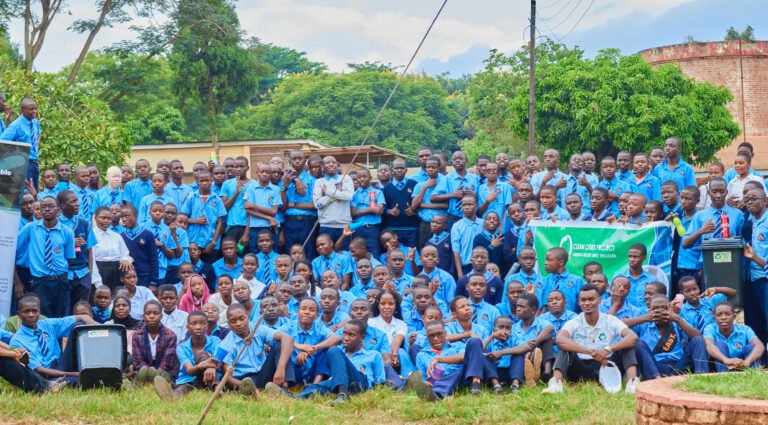
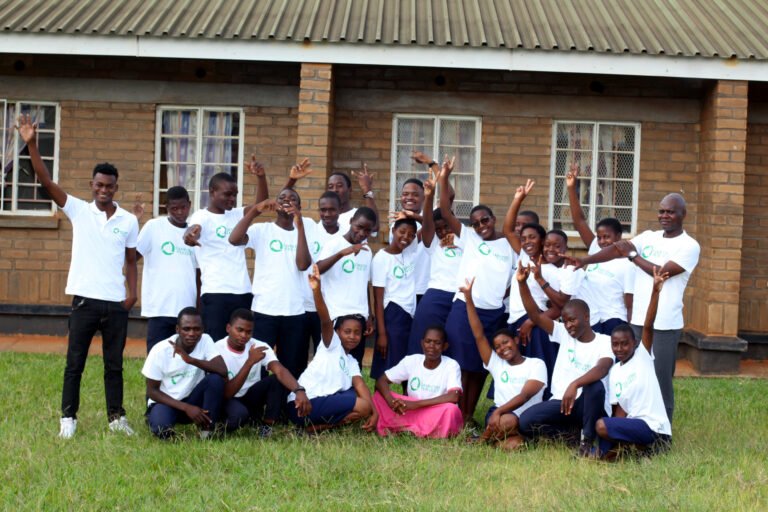
During Phase One of the Waste to Art Initiative, implemented between 25 April and 06 June 2026 under the Juntanza Fund, students across Likuni Boys’ Secondary School, Lilongwe Girls Secondary School, and Kasiya Community Day Secondary School were invited to look at waste differently. Not as something to ignore. Not as someone else’s problem. But as a mirror, reflecting how we consume, how we dispose, and how we prepare young people to respond to a changing world.
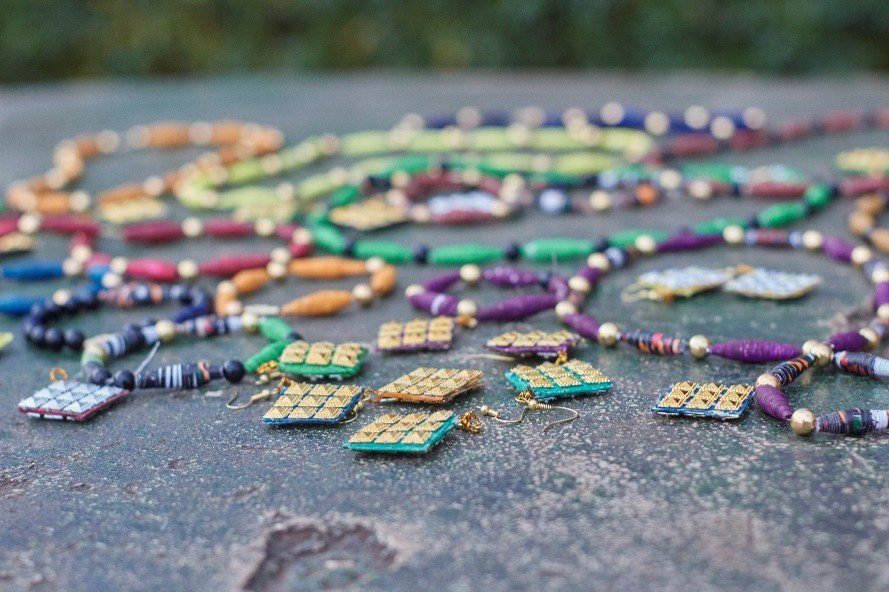
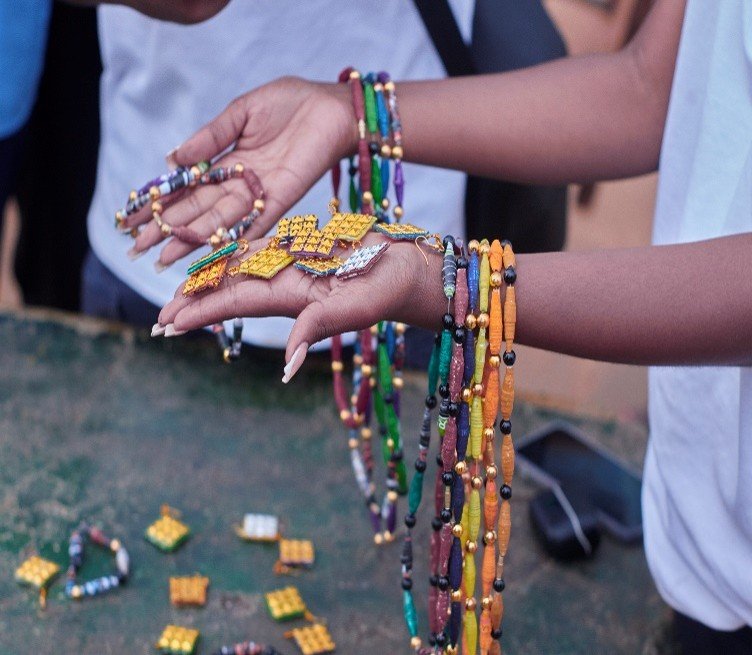
The initiative reached 620 students. Through awareness sessions and hands-on workshops, they explored waste management, recycling, environmental responsibility, creativity, and entrepreneurship, then transformed discarded materials into earrings, bracelets, necklaces, wall decorations, and other creative products.
But perhaps the most powerful outcome was not what students made, but the questions they asked about the ethics and sustainability of waste management.
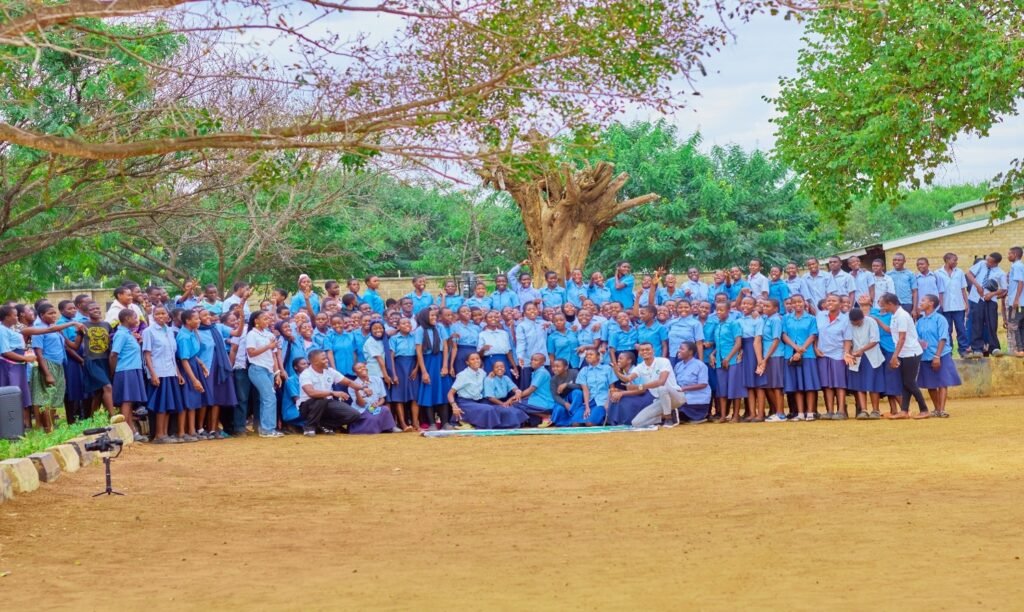
The Question That Changed the Room?
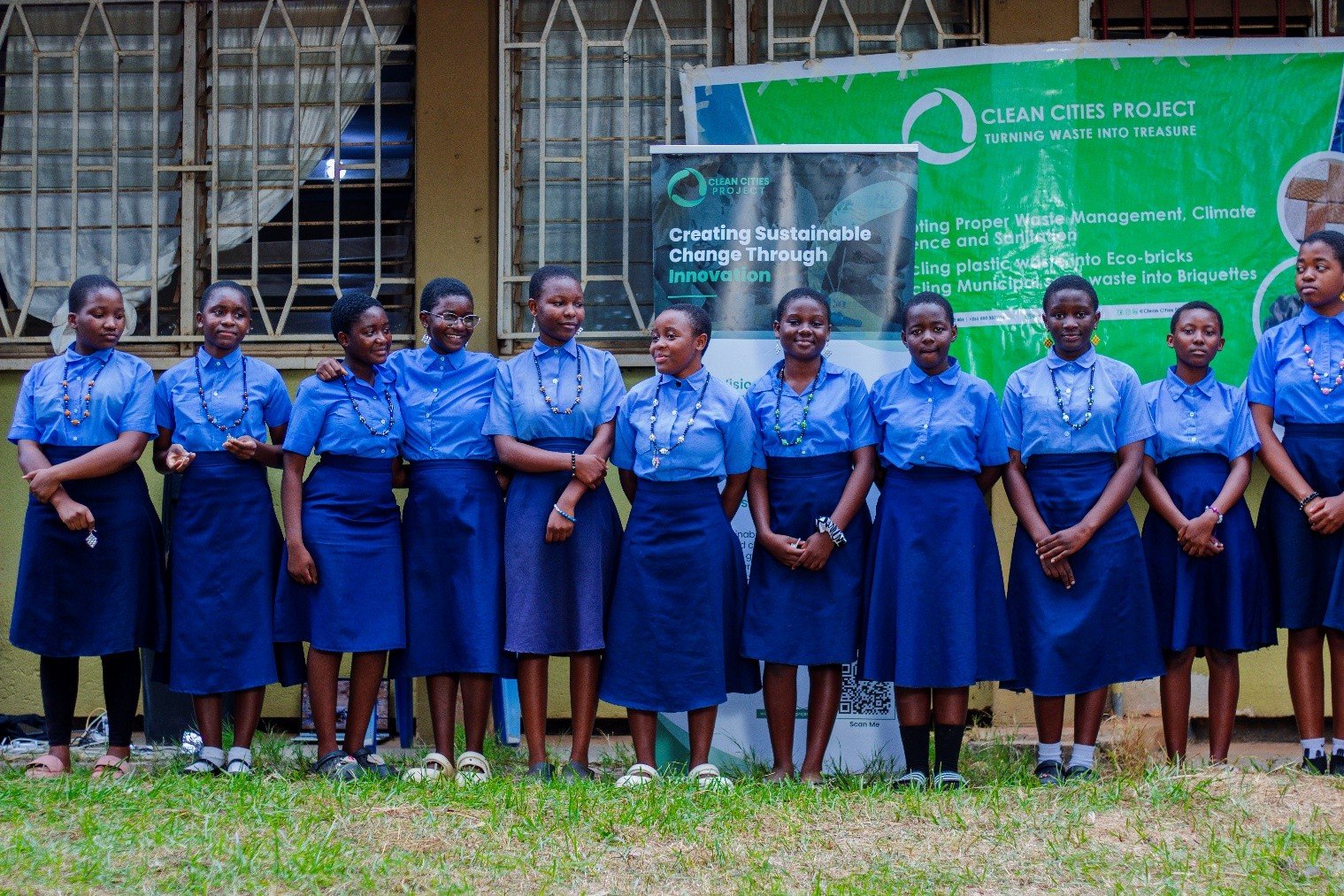
At Lilongwe Girls Secondary School, a student raised a question that cut through the excitement and went straight to the heart of the global environmental debate:
“If we are telling people to recycle plastics and make things like eco-bricks, are we still not promoting the very same problem we are trying to fight?”
Simple. But simple questions often carry the deepest truth.
Because she was right.
Across the world, recycling has often been promoted as a key response to plastic pollution. However, a growing body of evidence suggests that recycling alone is unlikely to solve the plastic crisis: the
OECD Global Plastics Outlook estimates that only about 9% of plastic waste was ultimately recycled in 2019, while UNEP’s Turning off the Tap report argues for systemic shifts that start with reducing unnecessary and problematic plastics before improving reuse and recycling systems.
The United Nations Environment Programme also frames unsustainable consumption and production as root causes of climate change, biodiversity loss, pollution, and waste; meaning the question is not only how to clean up plastics, but how to change the systems that keep producing them.
That student was not rejecting recycling. She was demanding honesty. And that is where the Five R’s became central to everything.
The Five Rs: Why Refuse Comes First
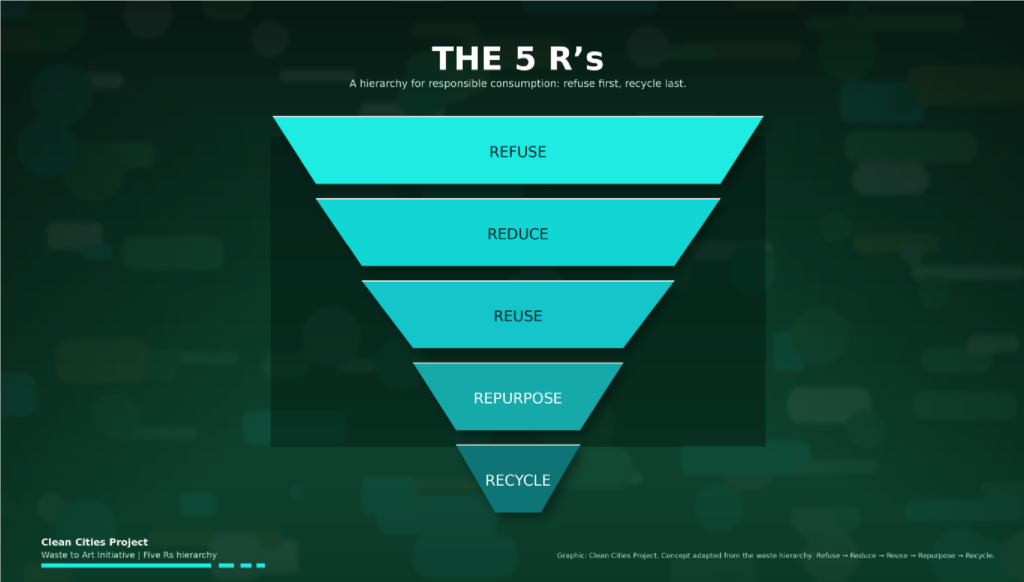
At Clean Cities Project, recycling is not taught as the first solution. It is one step in a hierarchy.
The most preferred step is Refuse: refuse unnecessary plastics, refuse single-use items where better alternatives exist, and refuse the culture of convenience that leaves communities carrying the burden of waste they did not design. Then comes Reduce. Then Reuse. Then Repurpose. And only when the plastic is already here and must be managed does Recycle enter the picture.
This hierarchy echoes the global movement away from a linear ‘take-make-dispose’ model. UNEP’s plastics circularity platform calls for eliminating problematic and unnecessary plastic products, redesigning products and systems, and circulating materials at their highest value so they stay out of the environment.
The distinction matters because if recycling becomes an excuse to keep producing more plastic, then we have misunderstood the assignment. The goal is not a future where children must keep making art from plastic because adults failed to stop producing it. But we also cannot ignore the plastic already in our schools, drains, streets, rivers, and markets.
That is where Waste to Art comes in, not as a celebration of plastic, but as a response to a reality we must manage while working toward a better one.
Bigger Than a Recycling Project
The Waste to Art Initiative sits within a much larger global agenda. SDG 12 calls for responsible consumption and production, including reducing waste generation through prevention, reduction, recycling, and reuse; UNEP’s SDG 12 analysis goes further by connecting waste to the wider crisis of unsustainable resource extraction and consumption.
That question connects directly to SDG 13 on climate action, because plastic production and disposal are closely linked to fossil fuels and greenhouse gas emissions. The United Nations reports that plastics generated about 1.8 billion tonnes of greenhouse gas emissions in 2019, while Our World in Data similarly explains that plastics accounted for roughly 3.3% of global emissions when considering production and disposal.
It also connects to SDG 8 on decent work, because young people need practical skills that can help them survive in a world of limited formal employment. In Malawi, the World Bank notes that structural constraints continue to limit industrial activity and job creation, while UNDP Malawi has highlighted youth entrepreneurship as a pathway for job creation and economic empowerment.
And it connects to SDG 1 on poverty, because environmental solutions must make sense for communities where families are already stretched thin.
This is where the work becomes more than environmental education. It becomes livelihood education.
Creativity as a Pathway to Income
In the practical sessions, students did not just listen. They made things.
At all three schools, learners worked with discarded materials collected from their surroundings such as plastic bottles, paper scraps, and cartons transforming them into products with artistic value and potential market appeal. The products were simple. But the lesson was powerful: a young person does not need to wait for perfect conditions to begin creating value.
This is the spirit behind the Juntanza Fund, a fund created through Comic Relief US’s Youth Advisory Council to support youth-led programmes and changemakers igniting social change. Comic Relief US describes its Youth Advisory Council as a platform that empowers young leaders globally and supports youth-led organisations through participatory grantmaking.
For Clean Cities Project, environmental action cannot be separated from economic empowerment. A bracelet made from waste may not end poverty on its own. But the skills behind it — creativity, design, product development, storytelling, marketing — can spark something larger.
They can help a student begin to imagine enterprise. Help a school build a culture of innovation. Help a community see young people not only as learners, but as solution-builders.
Part of a Bigger African Movement
Clean Cities Project is not alone in this.
Across Africa, artists, schools, and youth-led initiatives are using waste as a medium for education, activism, and enterprise. In Nigeria, REVAMP Africa’s Trash to Art initiative works with secondary school students to transform waste materials into creative artworks while building environmental consciousness.
In Mali and Senegal, artist Gadiaba Kodio has used discarded materials to challenge consumer culture and show how waste can become a tool for social reflection. Even in Malawi, grassroots recycling and handcraft initiatives have shown how students can turn discarded paper and fabric into useful products while gaining practical skills and entrepreneurial thinking.
Waste to Art is not a side activity. It is part of a wider continental and global movement asking us all to rethink value, consumption, and responsibility.
What Phase One Revealed
Across the three schools, students showed strong engagement by asking thoughtful questions, sharing experiences from their communities, demonstrating real creativity. Behind every session was a young person beginning to understand that environmental responsibility is not only about picking up litter. It is about changing mindsets. Questioning systems. Asking why plastic is everywhere in the first place.
At Kasiya Community Day Secondary School, the message carried a particular weight. For many students there, the initiative was not just about waste or the environment. It was about opportunity; the kind that often feels out of reach for young people from struggling families with limited access to income-generating pathways.
The Head Boy captured it directly:
“We are very happy that the Waste to Art Initiative targeted us as a community day secondary school. Most of the time, opportunities like this go to big national schools, but we also come from families that are struggling, with little or no opportunities for income. Now we have learned that waste can be transformed into something useful, and that these skills can help us become diverse in a world where employment is not easy to find. More importantly, we have not only learned how to make products, but we now understand the concept of Five Rs. We are going back to our communities as ambassadors of environmental sustainability.”
— Head Boy, Kasiya Community Day Secondary School